

In the quest to expand affordable housing options, Accessory Dwelling Units (ADUs) are emerging as a promising solution. These smaller, independent living spaces, located on the same property as a primary residence, can significantly increase housing density without drastically altering the character of existing neighborhoods. However, the effectiveness of ADUs in addressing affordable housing challenges hinges on well-crafted and implemented regulations.
Understanding Accessory Dwelling Units
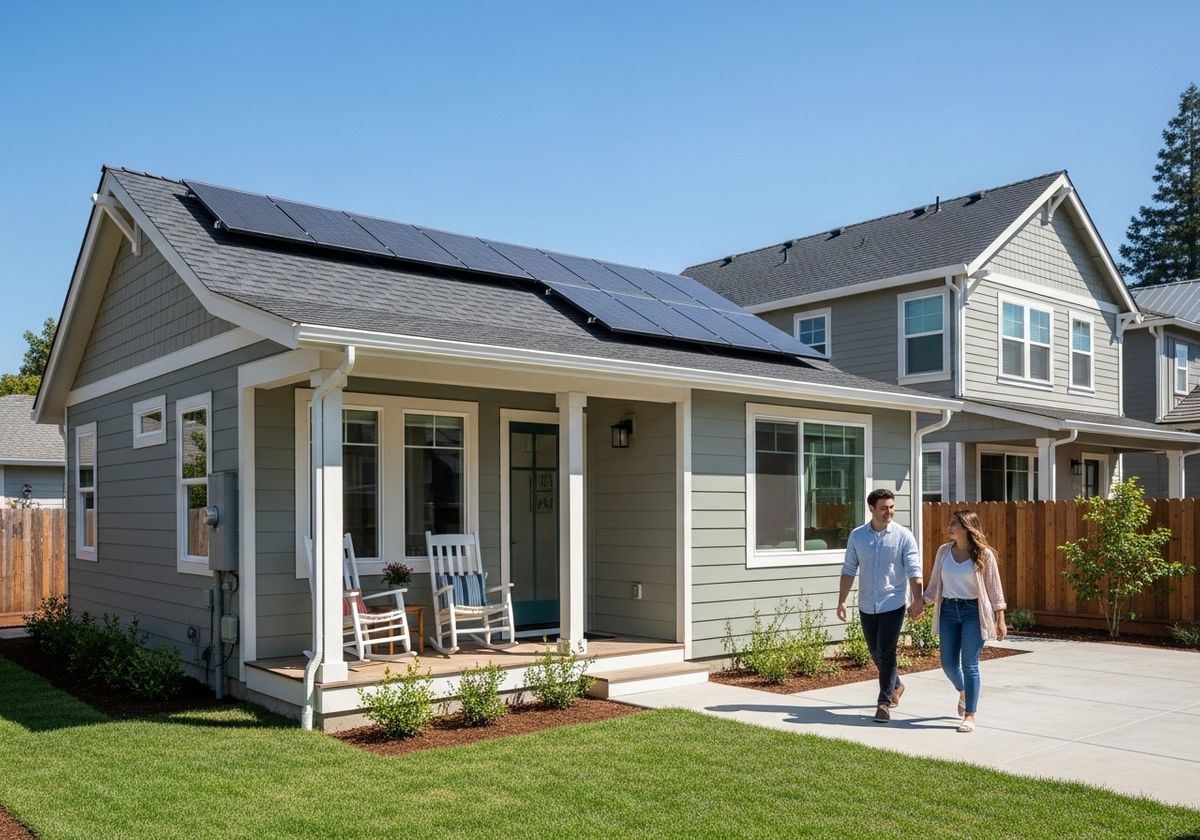
Accessory Dwelling Units (ADUs) are self-contained living units that can be attached to or detached from a primary residence. They include a kitchen, bathroom, and sleeping area. ADUs are known by various names, including in-law suites, granny flats, and backyard cottages. The rise in popularity of ADUs is due to their potential to provide affordable housing, generate income for homeowners, and offer flexible living arrangements for larger families.
The Role of Regulations
Effective ADU regulations are crucial for maximizing their potential in providing affordable housing. These regulations dictate the size, location, and design of ADUs, as well as occupancy and rental requirements. Without thoughtful regulations, ADUs may not effectively address affordability issues and could lead to unintended consequences, such as increased property values that negate affordability.
Key Regulatory Considerations
Several key considerations should guide the development of ADU regulations to promote affordable housing:
Zoning and Land Use: Zoning codes should allow ADUs in a wide range of residential zones. Overly restrictive zoning can limit the feasibility of ADU development.
Size and Setback Requirements: Regulations should permit ADUs of sufficient size to accommodate individuals or small families while respecting neighborhood aesthetics. Reasonable setback requirements are necessary, but overly strict rules can hinder ADU construction.
Occupancy Requirements: Regulations can specify that ADUs must be rented at affordable rates to low-income individuals or families. Some jurisdictions offer incentives, such as density bonuses or reduced fees, for ADUs with affordability restrictions.
Parking Requirements: Reducing or eliminating parking requirements for ADUs can lower development costs and encourage ADU construction, especially in urban areas with existing transportation infrastructure.
Streamlined Permitting Processes: Complex and lengthy permitting processes can deter homeowners from building ADUs. Streamlining these processes can reduce costs and timelines, making ADUs a more attractive option.

Incentivizing Affordability
To ensure that ADUs contribute to affordable housing goals, local governments can implement various incentives:
Grants and Loans: Providing financial assistance to homeowners who agree to rent their ADUs at affordable rates can encourage participation.
Density Bonuses: Allowing increased density for properties with ADUs can make ADU development more financially viable.
Fee Waivers: Waiving or reducing permit fees for ADUs with affordability restrictions can lower upfront costs.
Affordable Homes of Cochise County: Your Partner in Affordable Housing
ADUs hold immense potential for expanding affordable housing options, especially when supported by thoughtful and flexible regulations. At Affordable Homes of Cochise County, we understand the importance of creating accessible and affordable housing options. As a retailer of manufactured homes, including options that can serve as ADUs, we're committed to helping you find the right housing solution for your needs. Contact us today to learn more about our offerings and how we can assist you in your journey to affordable homeownership!